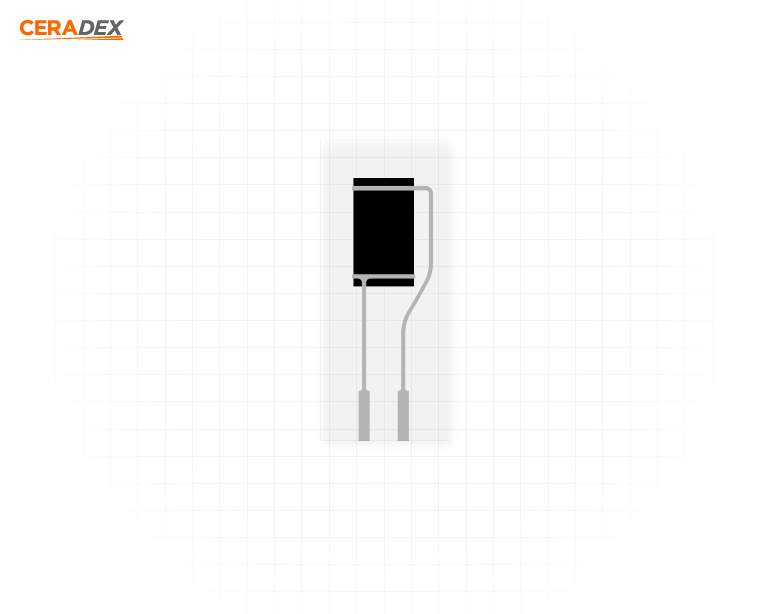
More Detail

Printed Temperature Sensor
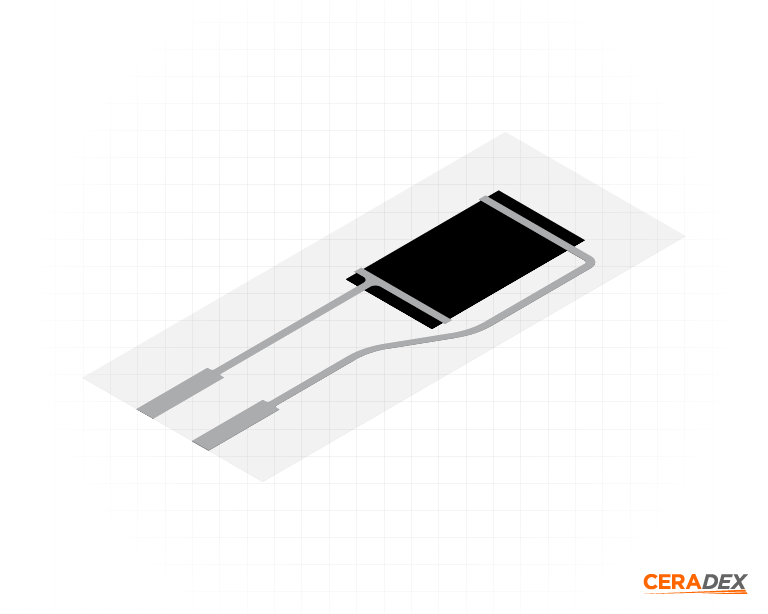
Printed Temperature Sensors provide a thin and practical solution for monitoring temperature changes on flat or limited-space surfaces. Their lightweight PET-based structure makes them suitable for applications where compact form factor and surface integration matter.
These sensors are designed for direct surface attachment and resistive temperature response, enabling reliable thermal monitoring in thin-profile and integration-sensitive applications.

Ultra-Thin Thermal Monitoring
Printed Temperature Sensors provide a thin and practical solution for surface temperature monitoring.
How Printed Temperature Sensor Works
A Printed Temperature Sensor is a resistive sensor designed to respond to temperature changes through electrical resistance variation. As temperature changes, the sensor’s resistance shifts accordingly, allowing the system to monitor surface temperature behavior. This type of sensor is well suited for compact, surface-mounted, and thin-film integration scenarios where a thin and surface-conforming sensing solution is preferred.
Key Features
- Contact-based surface temperature sensing for direct thermal response.
- Stable resistive temperature characteristic (R vs Temperature correlation).
- Flexible form factor for conformal integration on flat surfaces.
- 2-pin terminal design for easy wiring and integration.
Applications
Printed Temperature Sensors can be used in applications requiring thin, surface-mounted temperature detection, including:
- Surface Monitoring: Direct surface temperature measurement on flat or attached areas.
- Device Integration: Thin temperature sensing integration for compact devices and assemblies
- Area Thermal Mapping: Localized or distributed temperature sensing across surfaces for thermal profiling.
- Wearable / Thin Devices: Temperature sensing in space-constrained or flexible electronic designs.
Latest Insights
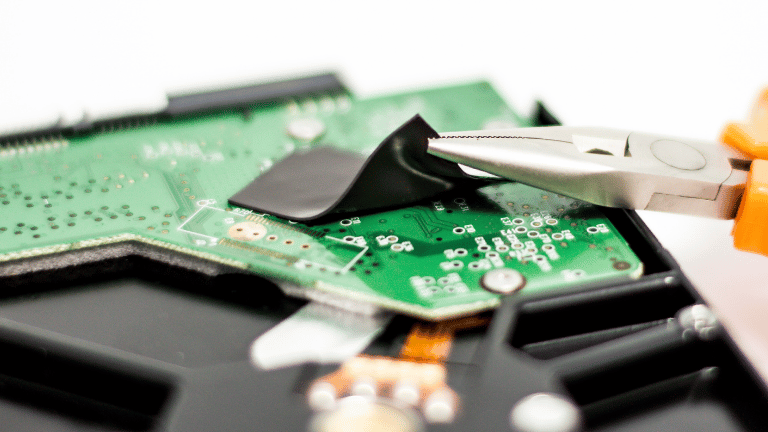
Learn how temperature sensors help monitor thermal behavior in high-density systems, including wire harness-constrained and compact electronic environments.

Explore how surface temperature sensing helps evaluate insulation effectiveness and heat behavior in battery systems, layered structures, and thermal processes.

Explore how printed temperature sensors work, their key characteristics, and how they support surface-based and integration-focused thermal sensing applications.

Collaboration Begins Here.